
Why the Best Pull Ahead
Here’s the truth: the gulf between average and top-tier fulfilment is not hardware; it is coordination. The beating heart of that shift is robotics software. During a flash sale, one Indian 3PL saw order lines jump 4x, yet dock-to-stock held steady at under 35 minutes. How? They tuned warehouse automation and software to route tasks, balance load, and tame exceptions. We see similar patterns where AMRs, WMS, and PLCs must speak the same language (or at least the same protocol).
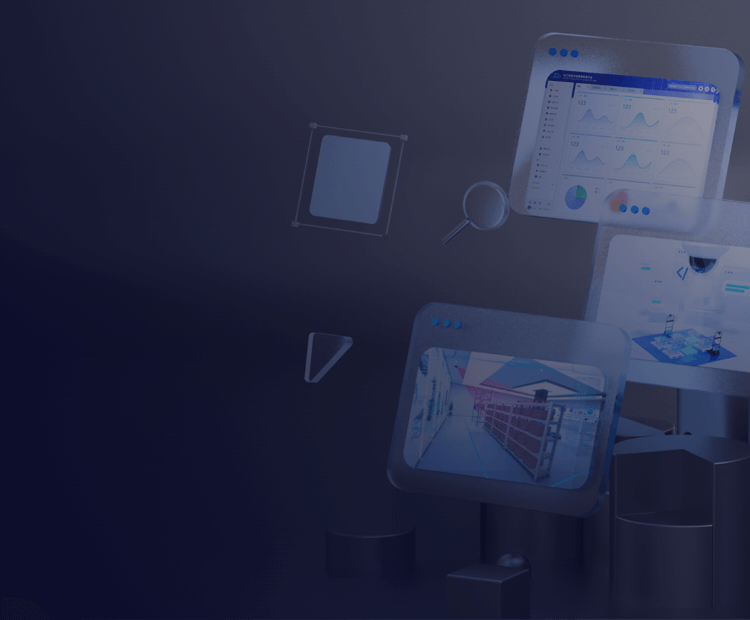
But let us be precise. Data shows pick-path detours add up to 12% of cycle time. Queues at pack-out feast on buffer space. And a small glitch in the message broker can ripple into a 7% throughput dip—funny how that works, right? If orchestration is brittle, the system slows even when bots are idle. So, the real question is simple: are you coordinating machines, people, and flows the way the best do? Edge computing nodes, digital twins, and robust task policies make a difference, yes. Yet adoption depends on choices we make today. Let us unpack where old fixes fail, and where comparative practice lights the way forward.
Where Traditional Methods Trip Up
What breaks first, and why?
Legacy setups rely on rigid handoffs. The WMS fires a wave; PLCs blink; pickers and AMRs scramble. When demand changes mid-wave, the system cannot re-plan fast. Result: stranded tasks and empty runs. Look, it’s simpler than you think: if your task queue ignores battery state, aisle congestion, and lift availability, you are optimising the wrong thing. The symptom is queue backpressure; the cause is a scheduler that is blind to real-time signals. And when every exception needs a manual nudge, latency piles up—one minute here, five minutes there.
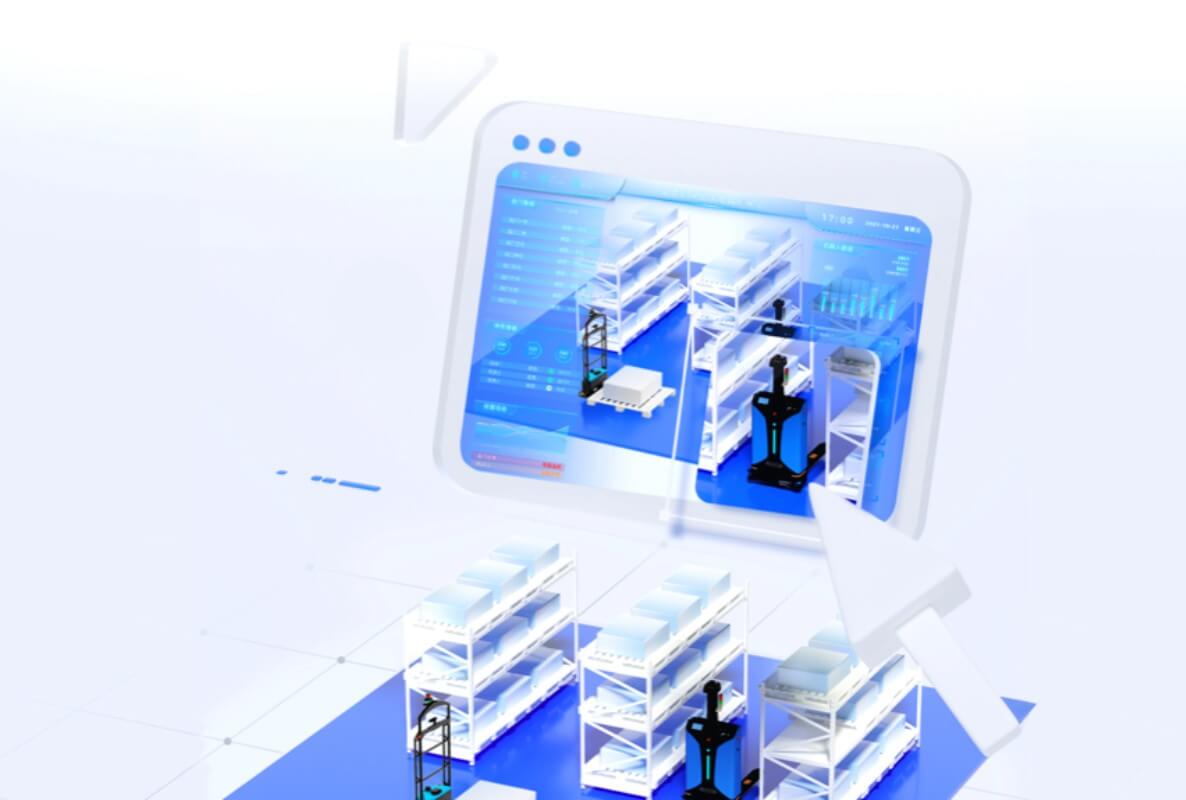
Hidden pain points show up in the seams. PLC handshakes assume fixed cycle times; reality does not. ROS 2 nodes talk, but without a common policy layer, each AMR fleet becomes a silo. Power converters on fast chargers get hammered at peak, because dispatching ignores charge windows. Even the message bus matters: MQTT without priority routing leads to stale jobs. People feel it most at shift change, when priorities flip and the software says “wait.” That is the core flaw: traditional tools optimise for plan, not for flow. They stabilise yesterday’s demand profile, not today’s floor conditions.
Comparing What Works Next
What’s Next
The better path borrows from event-driven systems. Instead of batch waves, the orchestrator listens to signals and reacts within seconds. New technology principles help: a digital twin forecasts aisle congestion; a constraint solver weighs SKU size, lift capacity, and charger queues; edge computing nodes cut latency at the dock. In short, policy becomes code. Compared with old wave logic, it is leaner, more transparent, and easier to tune (small change, big effect). When warehouse automation and software adopts these patterns, AMRs can self-select tasks, stations can request work, and the system balances itself. Not magic—just better math and better messaging.
The comparative results stand out. Sites that shift to event-driven orchestration report steadier takt time, fewer deadheads, and tighter charge cycles. Exceptions do not break the day; they slot in. And the team spends less time firefighting. We have moved from “schedule, then hope” to “sense, decide, act.” The lesson from top performers is plain: combine real-time telemetry with priority-aware queues, and you unlock capacity hidden in plain sight—funny how that works, right? As you assess options, use three simple checks. One: latency budget from sensor to decision (target sub-second for local moves). Two: policy expressiveness (can you encode battery, aisle rules, and SLAs without hacks?). Three: resilience under failure (graceful degradation of AMRs, chargers, and message brokers). Choose tools that meet these, and your flow will hold even on the stormiest day. For a deeper look at orchestration patterns and practical deployments, see SEER Robotics.
