
Proper drainage is an essential component of a functional plumbing system, ensuring that water is directed away from your home or business efficiently. Over time, however, drains can become clogged with debris, grease, and other materials, leading to slow drainage 九龍塘通渠 , unpleasant odors, and even plumbing emergencies. Drainage cleansing is a crucial maintenance task that can prevent these issues, prolong the life of your plumbing, and protect your property from water damage. In this article, we will discuss the importance of drainage cleansing, signs that your drains need attention, effective cleaning methods, and preventative measures to keep your drainage system in top shape.
The importance of Drainage Cleansing
A clean and well-maintained drainage system is vital to avoid a variety of plumbing problems. Blocked or slow drains can cause water to back up, leading to potential flooding and water damage. This can be especially concerning in basements or areas prone to water accumulation. Stagnant water can also foster the growth of bacteria, mold, and mildew, which can lead to health issues. Additionally, clogs often result in unpleasant odors, making your home or business less inviting. Regular drainage cleansing helps prevent these issues by removing debris, grease, and buildup from your pipes, allowing water to flow freely and ensuring your plumbing system functions efficiently.
Signs Your Drains Need Cleaning
There are several warning signs that indicate your drains may require cleaning. One of the most common signs is slow drainage. If water takes longer than usual to drain from sinks, bathtubs, or showers, it may be a sign of a partial blockage. Foul smells emanating from drains are another clear indicator that your drainage system needs attention. These odors are often caused by decomposing organic matter that has built up in the pipes. Gurgling sounds or bubbling noises coming from drains can also suggest that air is trapped due to a blockage, preventing water from flowing smoothly. If you notice standing water in your sinks, tubs, or toilets, it is essential to take action and address the issue before it worsens.
Methods of Drainage Cleansing
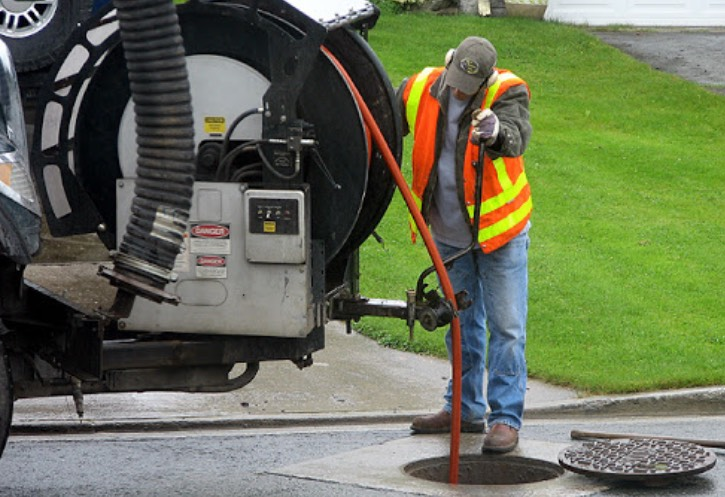
There are various methods for cleansing drains, depending on the severity of the blockage. For minor clogs, using a plunger is often effective. A plunger creates pressure that can help dislodge the obstruction and restore proper flow. If the clog is more persistent, a mixture of baking soda and vinegar can be poured down the drain. This natural solution helps to break down grease, soap scum, and other organic matter, leaving your pipes cleaner and fresher. For more stubborn clogs, chemical drain cleaners may be necessary, but these should be used with caution, as they can be harsh on pipes and harmful to the environment. If DIY methods don’t work, it’s best to call a professional plumber who can use advanced techniques such as hydro-jetting or drain snaking. Hydro-jetting involves using high-pressure water to clear out debris, while drain snaking involves inserting a specialized tool to break up the blockage physically.
Preventing Drainage Problems
While regular cleansing is essential, there are steps you can take to prevent blockages from occurring in the first place. One of the most effective preventative measures is to be mindful of what goes down your drains. Avoid pouring grease, oils, and food scraps down the kitchen sink, as they can solidify and cause blockages. Similarly, hair, soap scum, and toothpaste should be kept out of bathroom drains by using drain covers or screens. These simple tools can catch debris before it enters your plumbing system, reducing the likelihood of clogs. Additionally, regular inspections by a professional plumber can help identify potential issues early, such as leaks or damage to your pipes, which could lead to drainage problems. Keeping your drains in good condition and staying ahead of potential issues will save you time and money in the long run.
Conclusion
Drainage cleansing is a vital aspect of home and business maintenance, helping to avoid costly repairs, water damage, and health hazards. By recognizing the signs of drainage issues early, using effective cleaning methods, and implementing preventative measures, you can ensure your plumbing system runs smoothly. Regular maintenance and timely intervention are key to maintaining the efficiency and longevity of your drains. Whether you choose to tackle drainage cleansing yourself or hire a professional plumber, keeping your pipes clear of blockages is an essential task that promotes a safe and healthy living environment.
