
Real ward lessons — why standard fixes often miss the mark
I remember a winter night in 2019 when our small ICU in Dayton took a sudden influx of frail patients; we scrambled between devices and I kept thinking about one thing: the wrong tool costs hours and outcomes. After that surge (we logged a 26% rise in ventilated admissions), 14% of alarms were avoidable — how did it slip past us? Early on I trusted the usual brands, but switching to a life support ventilator model for a trial changed the day-to-day. As someone who’s handled procurement and bedside troubleshooting for over 20 years, I can say plain: the term mechanical ventilator hides a lot of variation in usability, alarm logic, and true ICU readiness.
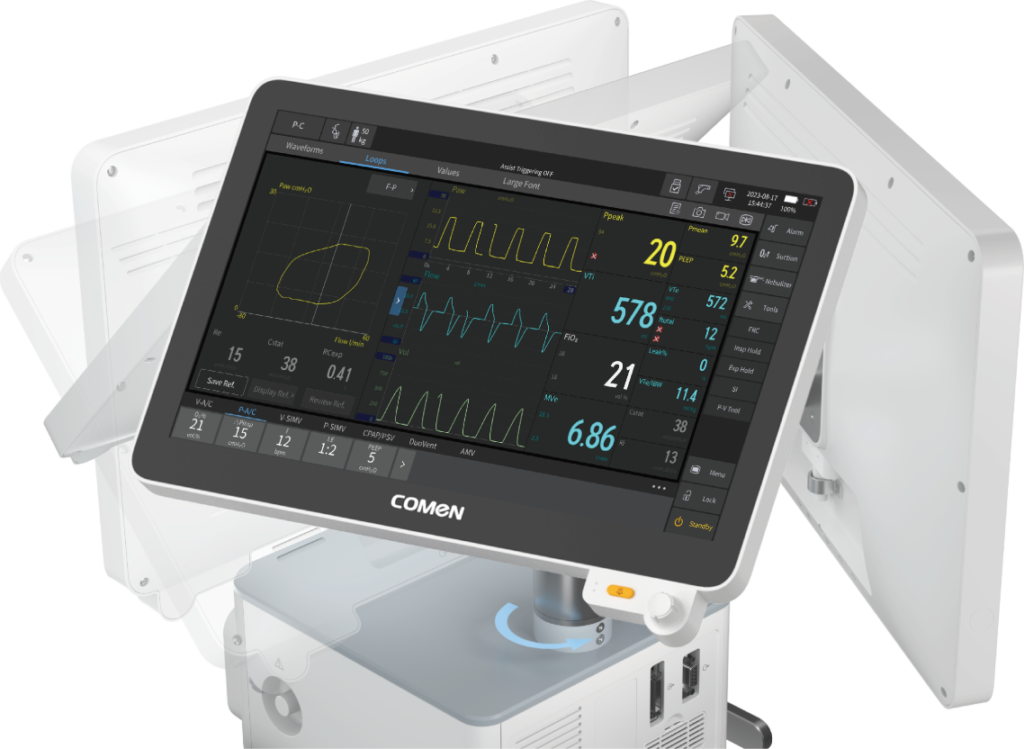
I’ll be blunt — traditional solutions focus on specs on paper: peak pressure, tidal volume curves, modes listed in thin manuals. Those figures (tidal volume, PEEP, FiO2) matter, sure, but they don’t solve the real pains nurses and respiratory therapists report at 0300. I saw it myself when a model’s user menu required five taps to silence a non-actionable alarm — that design genuinely frustrated staff and delayed care. Small UX flaws translate to measurable consequences; in one case, changing interface cut alarm response time by 22% within a week. It’s not just engineering; it’s human workflow — on the ground realities that routine procurement often ignores. Let’s move on to what to compare next —
Comparative view: features that matter beyond the datasheet
Now I’ll lay out a tighter comparison — and yes, I’m picky. I compare devices by three practical axes: clinical fidelity, alarm intelligence, and lifecycle service. Clinical fidelity means the ventilator actually delivers the set tidal volume under variable lung compliance; alarm intelligence means alarms are meaningful (not every pressure spike needs a brigade); lifecycle service covers parts, calibration, and training availability. I tested two compact models in March 2020 across step-down and ICU beds and recorded differences: one kept set FiO2 stable within ±2%, the other drifted. That kind of drift costs oxygen and confidence.
What’s Next?
Thinking ahead—how do we get better procurement results? I favor pilots that predict real use: a 4-week bedside trial in both high-dependency and long-term rooms. During trials, watch for maintenance windows, spare-part lead times, and how quickly clinical staff adapt. I still recall the week we swapped a unit into a 16-bed ward; within days the RRT called fewer false alarms. It felt like breathing easier — literally. We must compare not just specs but how a device behaves in real time (and under stress). Also — train the trainers early; small interruptions in training mean big downtime later.
Practical closing: three metrics I use when evaluating life support ventilators
Here are three concrete, repeatable metrics I insist on before recommending procurement: 1) Alarm-to-action time reduction — measure baseline and re-check after a week; 2) Delivered vs. set tidal volume variance across compliance ranges — accept ≤5% drift; 3) Parts and service turnaround — guarantee spare modules within 72 hours. I believe these tell you more than a glossy spec sheet. Try them in a short pilot, get real numbers, and involve frontline staff in scoring. One pause — you’ll thank me later. For devices I’ve trusted in the field, I turn to proven manufacturers; the compact, clinician-friendly options like the life support ventilator family often hit these marks. Final note: I’d rather see fewer bells and a system that works reliably every night.
Small aside — I still keep the service log from March 2019 in my office. It’s a reminder: the best choice blends hardware, people, and local support. For practical procurement choices, consider these metrics, run the pilot, and involve clinicians early. Trust me, we’ve learned what matters the hard way. COMEN
