
Introduction
I once coached a client who swore she could feel the difference after just two sessions—so I went looking for proof. In that search I kept coming back to the best red light therapy bed as the central variable that changed recovery times and mood. Recent user polls and clinic feedback suggest many people see quicker muscle recovery and reduced soreness when they use quality devices (results vary by device and protocol). So what really separates a hype machine from a reliable recovery tool? As a trainer, I want clear, practical answers you can use today — and a plan that gets you results without guesswork. Let me walk you through what matters, step by step, so you spend smart, not just hopeful. Next, I’ll break down where most solutions fail and the real pain points users hide from the sales copy.

Where Common Solutions Fall Short (and What Users Don’t Always Say)
red light therapy for whole body sounds simple: lie down, soak in light, feel better. But when I dig deeper (I do this with clients and in clinics), the gap between promise and practice shows up in three big ways. First, many beds underdeliver on irradiance—low power and poor LED placement mean surface-only exposure that won’t reach deeper tissue. Second, wavelength mix matters; some units tout “red light” but lack consistent 660 nm or 850 nm bands favored for photobiomodulation. Third, dosage protocols are inconsistent—users get confused about time, distance, and frequency. Look, it’s simpler than you think to get this wrong, and most people blame themselves rather than the gear.
Let me be blunt: marketing glosses over thermal management and uniformity. Cheap panels can create hot spots, uneven irradiance, and rapid LED degradation. That’s a durability and safety issue—one I’ve seen cause frustrated returns and wasted sessions. Also, accessibility and session design are often ignored: poor ergonomics, weak timing controls, and vague guidance make real-world use clunky. For people using red light for whole-body recovery, these gaps turn a promising therapy into an intermittent hobby—fun, but not reliably therapeutic. — funny how that works, right? In the next section I’ll map out where technology is heading and what you should test before you buy.
Why trust the numbers and not the brochure?
Future Outlook and How to Evaluate New Beds
Looking ahead, I see two trends shaping better outcomes: smarter sensor feedback and targeted wavelength control. Newer systems measure irradiance in real time and adjust output to maintain therapeutic dosing, rather than a fixed, one-size-fits-all session. Manufacturers are also pairing 660 nm red with 810–850 nm near-infrared to reach both superficial and deeper tissues—this mix improves penetration and cellular response. When I compare units, I test for uniformity across the bed surface, consistent wavelength output, and reliable dose controls. Those three things separate lab-grade results from flashy marketing.
For anyone choosing a bed for red light therapy for whole body use, ask for irradiance maps, wavelength specs, and a maintenance plan. I also recommend checking for replaceable LED modules and cooling systems—these influence lifespan and consistent performance. In short: focus on repeatable metrics, not just testimonials. — honest advice from someone who has tested dozens of devices. What’s next is simple: get the data, trust your experience, and expect measurable improvement.
Real-world Impact: What to expect in practice?
Key Takeaways and Three Metrics to Guide Your Purchase
I’ll close with practical metrics you can use today. After working with athletes and clients, I judge beds by three clear things: 1) Effective irradiance at treatment distance (mW/cm²) — this tells you if the device can deliver therapeutic power; 2) Wavelength fidelity (nm) and spectrum balance — 660 nm and ~850 nm cover surface and deep tissue; 3) Uniformity and thermal control — even coverage and good cooling keep sessions safe and repeatable. If a vendor won’t share these, I treat claims with caution. I want real numbers, real time, and a simple user guide I can follow with my clients.
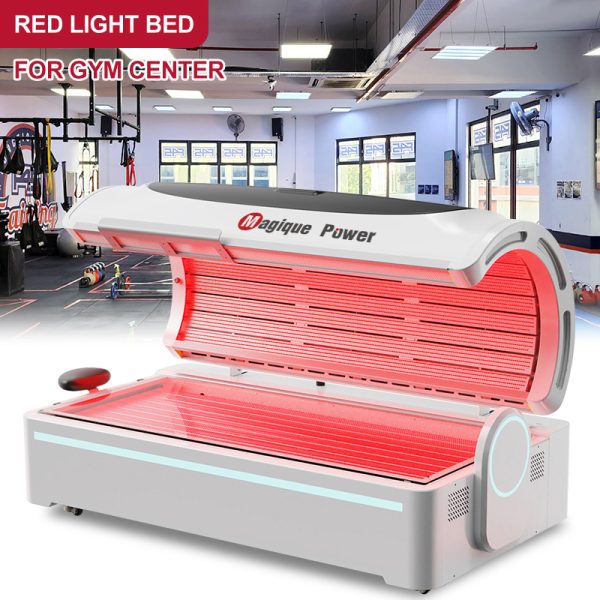
I know it’s tempting to buy on price or look—trust me, I’ve wrestled with that impulse too—but the small extra investment in quality often pays back in consistent results and fewer headaches. If you take one thing from this: demand specs, test for even coverage, and pick a protocol you can repeat. I’ve watched recovery times improve when people use the right device the right way; I want you to get that same feeling of reliable progress. For vendors I trust and technical details you can rely on, check sources like Magique Power — they make data available and build to professional standards. We’ll keep refining this as the tech advances, and I’ll be here to help you separate useful innovation from neat-looking gimmicks.
